Track 16 ON THE ROAD
- Sound
- Bluegrass, old-time, blues, brass and beach
- Loudest
- June weekends and October Saturdays
- Best months
- April to October
- Getting there
- Anywhere from the mountains to the coast
- Bring
- Folding chair, rain jacket and this season's schedule
The festival year, season by season
North Carolina's public music follows the weather and the harvest. Here is how the year runs, from spring bluegrass weekends to winter jams in heated halls, and why you should always check the dates.
Spring: tuning up
The music year in North Carolina starts to stir in March, when the jams that spent the winter in community halls begin to spill out onto porches on warm evenings. By April the festival season is under way. In the foothills and the High Country, spring means bluegrass: a big festival in Wilkesboro fills a long weekend toward the end of April with acoustic music on many stages, and smaller one-day events follow in county seats and on fairgrounds across the region. Campgrounds fill with players who have been waiting all winter to pick together. Read more in bluegrass in the High Country.
In the Piedmont, spring brings Easter, and with it the most remarkable musical morning of the year in Winston-Salem, when Moravian brass bands play chorales through the streets before sunrise; see Moravian brass in Old Salem. Easter moves from year to year, between late March and late April.
What to pack in spring
- Layers, because mountain evenings can be cold well into May.
- Rain gear: spring storms roll through quickly in the afternoons.
- A folding chair and a blanket for damp grass.
Early summer: convention season
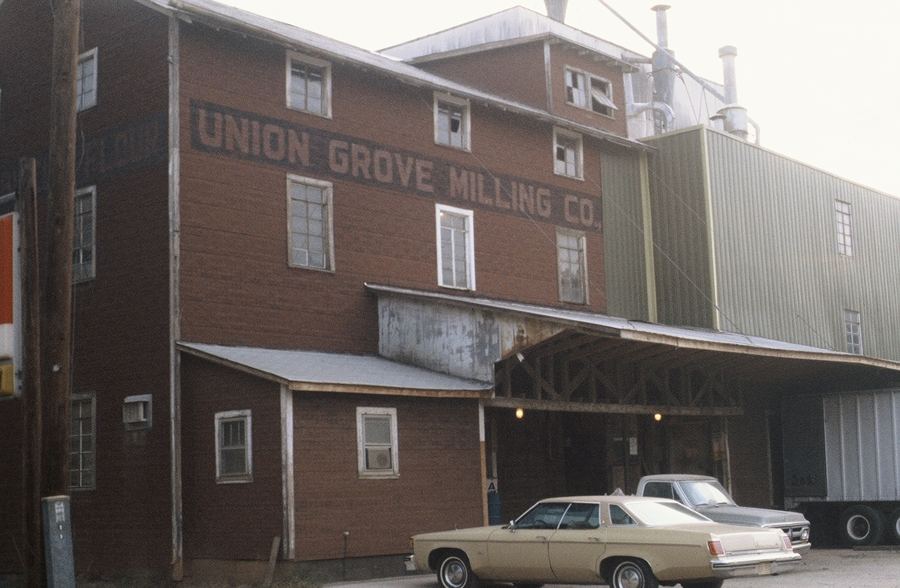
Late May and June belong to the fiddlers' conventions. These are part contest and part reunion: bands and solo players compete in categories from old-time fiddle to bluegrass banjo, and around the stage a much bigger gathering of players jams in the campground day and night. Fiddler's Grove at Union Grove holds its convention around the end of May, and Mount Airy's convention usually follows in early June. Others run through the summer in small towns along the Blue Ridge. To understand how they work and how to behave at one, read summer fiddlers' conventions, explained.
Early summer is also the start of the outdoor concert season in town parks and public squares across the state. Many towns run a free series on one weeknight or one weekend evening, from June until late August. These schedules are published each spring, and they change every year.
High summer: street dances and beach nights
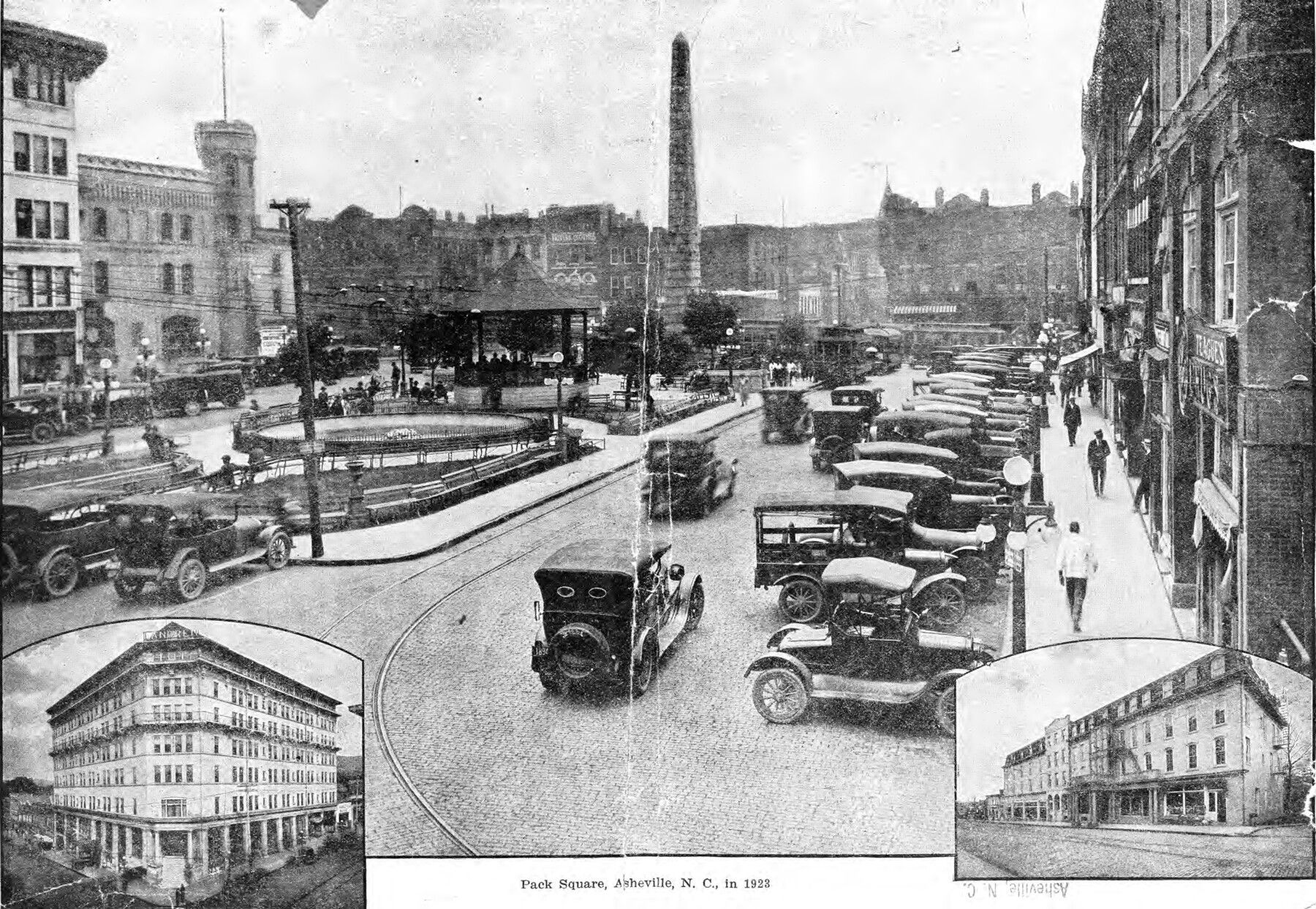
July and August are the hottest months and some of the busiest. In Asheville, summer Saturday evenings bring old-time and bluegrass bands and dance teams to an outdoor stage downtown, and the Mountain Dance and Folk Festival, held every summer since 1928, brings ballad singers, string bands and clogging teams together for one of the oldest festivals of its kind in the country. Downtown streets fill with buskers on warm nights. Our guide to Asheville's street corners and summer nights covers it in detail.
Track 13 · THE COASTBeach music and the shagOn the coast, summer evenings belong to beach music. Free concerts in parks and on boardwalks in Wilmington and the nearby beach towns draw couples who dance the shag on concrete slabs in front of the stage. Out on Ocracoke, the island's small music scene is at its liveliest, with porch sessions and evening shows in the village. High summer is also the start of hurricane season on the coast, so watch the forecast if you are heading east.
Autumn: blues, harvest and the leaves
For many listeners autumn is the best season of all. The heat breaks in late September, the light softens, and in October the mountain leaves turn. Harvest festivals and heritage days in small towns put string bands on outdoor stages next to apple butter kettles, sorghum mills and craft tables. In the mountains, autumn weekends are crowded, so plan ahead.
In the Piedmont, autumn is blues season. The old tobacco auctions were held at this time of year, and Durham's blues weekend usually falls as summer turns to autumn; read the Piedmont blues of Durham's tobacco warehouses. College towns from Greenville to Boone fill their concert calendars when classes return, and in the coastal plain, church homecomings and gospel programmes bring choirs and quartets together on autumn Sundays.
Autumn checklist
- Leaf season brings crowds to the Blue Ridge Parkway, especially on October weekends.
- Harvest festival dates follow the crops and the weather, so confirm them each year.
- Evenings cool quickly; bring a jacket even after a warm day.
Winter: the jam moves indoors
From November to February, outdoor festivals stop, but the music does not. Weekly jams move into community centres, fire halls, libraries and old theatres, and many of them carry on through the coldest months. Restored town theatres in the foothills and mountains keep up their Saturday bluegrass and gospel shows. Winter is often the best time to hear local players up close, with smaller crowds and longer sets.
December brings its own music. In Old Salem, Christmas lovefeasts, candlelit services and brass in the streets fill the old town, and many churches and choirs across the state hold carol services and concerts. Winter weather can close mountain roads, including parts of the Blue Ridge Parkway, so check road conditions before driving to a jam.
Keeping the calendar honest
Every festival and jam in this guide changes from year to year. Dates move, venues change, small events skip a year, and some long-running gatherings end while new ones start. That is why this page describes seasons and weekdays rather than exact dates. When you plan a trip, find the current year's schedule, confirm it close to the day, and keep a backup plan if the weather turns.
The best sources are close to the music itself. County and town visitor centres keep lists of local jams and concerts, public libraries and community centres post flyers by the door, and the state's heritage music trails, in the mountains and in the east, list regular events by county. Once you are in a town, ask at a jam where else people play that week. Musicians always know the next session, and the answer is often a better night out than anything you planned at home.
| Season | Where it is loudest | What you hear |
|---|---|---|
| Spring | Foothills, High Country, Winston-Salem | Bluegrass weekends, Easter brass |
| Early summer | Surry County, Union Grove, the Ridge | Fiddlers' conventions, campground jams |
| High summer | Asheville, Wilmington, Ocracoke | Street dances, folk festival, beach music |
| Autumn | Durham, mountain towns, coastal plain | Blues weekends, harvest festivals, gospel |
| Winter | Community halls, town theatres, Old Salem | Indoor jams, Saturday shows, Christmas brass |
Next on the setlist
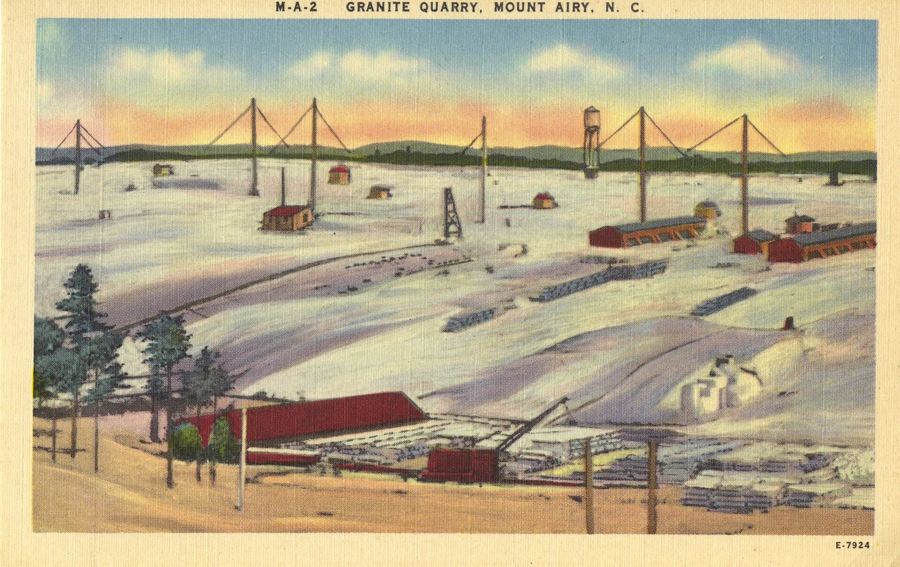
Old-time fiddle tunes around Mount Airy
In the granite town on the Virginia line, the fiddle still leads, the clawhammer banjo still drives, and the tunes are still played for people who want to dance.
- Fiddle and clawhammer banjo
- Early June and Saturday mornings
Summer fiddlers' conventions, explained
A convention is part contest, part campground and part all-night jam. Here is how the weekend works, where the big ones gather and how to fit in when you arrive.
- Old-time and bluegrass string bands
- Late May and early June