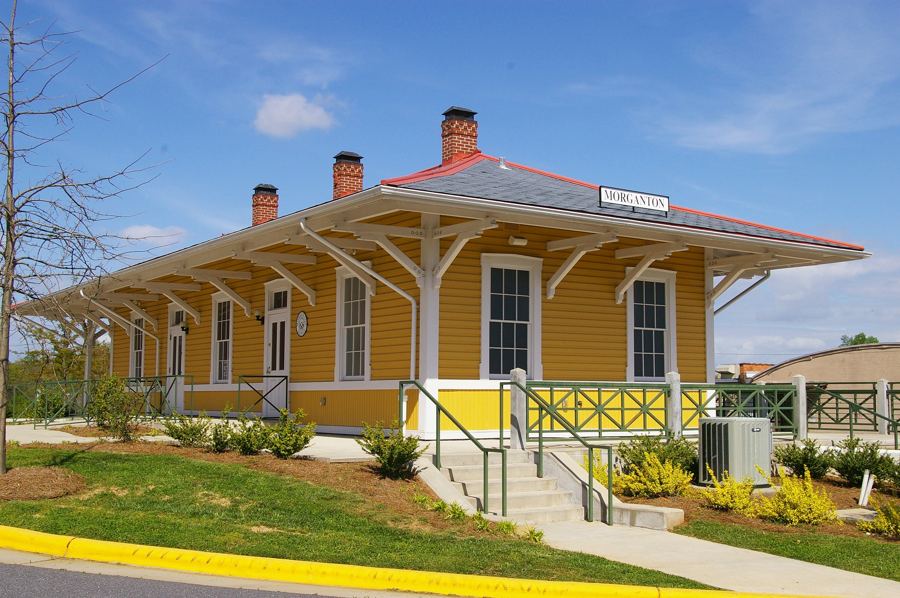
Track 04 HIGH COUNTRY
- Sound
- Three-finger banjo, mandolin and high harmony
- Loudest
- Late April and summer weekends
- Best months
- Late April to October
- Getting there
- US 421 between Wilkesboro and Boone
- Bring
- Layers, a camp chair and earplugs for late jams
Bluegrass in the High Country
Between the college town of Boone and the river valley of Wilkes, bluegrass runs fast and bright: three-finger banjo, high harmony, and campground jams that last as long as the strings hold.
Bluegrass came late to the mountains, and it came fast. The music took shape in the 1940s, when string bands added a driving three-finger banjo, a chopping mandolin and a high, lonesome tenor voice to the older songs of the hills. Within a few years it was everywhere in the Appalachians, and in the High Country of northwest North Carolina it settled in for good.
Today the region around Boone and Wilkes County is one of the best places in the state to hear it. You can catch it on a college stage, at a summer evening concert in a town park, on a festival weekend that draws people from across the country, and most of all in the campgrounds, where pickers gather after dark and play until the dew settles on the instruments.
Kickoff: what makes it bluegrass
The sound starts with the banjo. Where an old-time player strikes down on the strings, a bluegrass banjo player picks up with the thumb and two fingers, wearing metal picks, in fast rolling patterns that sound like water running over stones. It is a bright, cutting sound that carries over a whole band. Our guide to three-finger banjo and the Cleveland County sound explains how those rolls work and where they came from.
Around the banjo, the mandolin plays a sharp chop on the offbeat that acts as the band's snare drum. The guitar holds the rhythm and fills the gaps with bass runs. The upright bass keeps time, and a fiddle or a dobro adds long, singing lines. Each instrument takes a turn at the melody, a break, and then hands it on. Above it all are the voices, usually in close two- or three-part harmony, the tenor pitched high and hard.
The songs are often about home, loss, trains, mothers and God. Many are old ballads and hymns sped up; others were written in the 1950s and 60s and have become standards. In the High Country you will hear both, often in the same set. Listen for the moment when the whole band drops out behind a single voice for the last line of a chorus, then crashes back in with the banjo leading. That lift is what bluegrass players chase all night.
Deep Gap and the spring weekend in Wilkesboro
Any account of music in this corner of the state has to stop at Deep Gap, a scattering of farms along US 421 east of Boone. This is where Doc Watson grew up and lived most of his life. Blind from infancy, he became one of the most admired guitarists in American music, with a flatpicking style that turned fiddle tunes into guitar showpieces. He was not strictly a bluegrass player; he played old ballads, blues, rockabilly and gospel as easily. But almost every guitarist at a bluegrass jam today owes him something.
In downtown Boone a bronze statue of Doc Watson sits on a bench on King Street, guitar on his knee. People stop to sit beside him, and on summer evenings you sometimes hear someone picking a tune nearby.
The Watson name also gave the region its biggest festival. In the late 1980s a spring music weekend was founded at the community college in Wilkesboro in memory of Doc's son Merle, a fine guitarist in his own right who died in 1985. It has grown into one of the largest roots music gatherings in the country, held over a long weekend in late April on the campus beside the Yadkin River. Bluegrass is at its heart, with old-time, blues, gospel and country on its many stages. Dates and line-ups change every year, so check before you go, and plan on large crowds and full roads.
Track 01 · THE RIDGEOld-time fiddle tunes around Mount AiryBoone: a college town with a picker on every porch
Boone is the seat of Watauga County and home to Appalachian State University, and the two shape the town's music. The university has a long-standing interest in the region's culture, with programmes in Appalachian studies and student bluegrass and old-time ensembles that play around town. Its performing arts centre and smaller halls host touring bluegrass bands through the academic year.
In summer the music moves outdoors. The town runs evening concerts on the lawn of the Jones House, a historic home on King Street that now serves as a community cultural centre, and an old-time and bluegrass jam has met there for years. Days and seasons change, so check the town's calendar before you go. King Street itself, the main street of the old town, is where buskers tend to set up on warm weekend afternoons.
Bluegrass came late to the mountains, and it came fast.
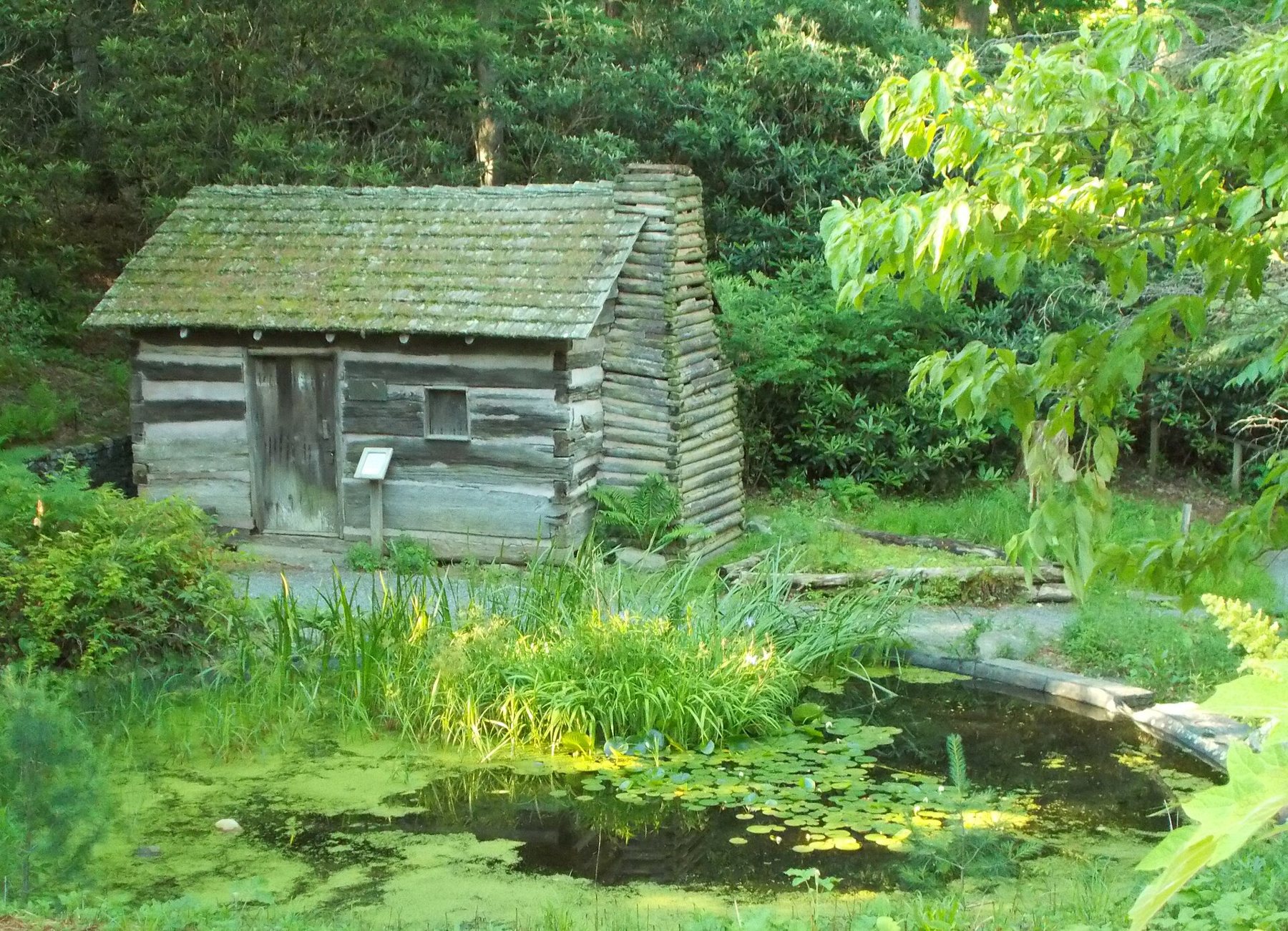
On the edge of downtown, Daniel Boone Native Gardens shelters a log cabin dedicated to the frontiersman's father among rhododendron and ferns. It has nothing to do with bluegrass, but it is a quiet place to sit before an evening of loud music.
Campground jams: the music after the music
Ask any bluegrass musician where the best playing happens and they will point to the campground. At every festival and fiddlers' convention in the region, the stage is only half the story. Behind it, in fields and parking areas, groups of pickers gather under awnings and play until the small hours.
For a listener, walking the campground after dark is the best way to hear the music up close. You pass circles of all kinds: polished bands running through their set, old friends who see each other only at festivals, beginners working through slow versions of the standards. Stop wherever the sound pulls you in. If you want to understand how these gatherings work, our guide to summer fiddlers' conventions covers the etiquette in detail.
Bluegrass jams have a clear structure. Someone calls a song and its key, everyone plays the opening, and then the lead passes around the circle. Each player takes a break, and the singer returns for the next verse. If you play, bring your instrument in tune, wait to be invited and keep your breaks short. If you do not know a song, play quietly or sit it out.
Encore: Wilkes County and the road down the mountain
Wilkes County sits below the Blue Ridge escarpment, along the Yadkin River, and its musical roots run deep. The old murder ballad of Tom Dooley comes from a real case here in the 1860s, and the song was sung in local families for nearly a century before it became a national hit. The Wilkes Heritage Museum in Wilkesboro tells the county's story, music included.
From Wilkesboro, US 421 climbs the escarpment through Deep Gap to Boone, a steep, winding drive that crosses the Blue Ridge Parkway on the way. The parkway itself runs along the crest from here in both directions, with overlooks that make good places to stop between shows. If you have time, follow it northeast to the old-time country around Sparta and Mount Airy, or look at our guide to old theatres that still host Saturday shows for indoor stages along the way. The festival year guide sets the spring and summer weekends in context.
Bluegrass in the High Country is busiest from late April through October. Winters are cold and snowy up here, and most of the outdoor music stops, though indoor shows and jams continue in Boone. For the full experience, come on a warm weekend, bring a chair, and stay late.
Next on the setlist
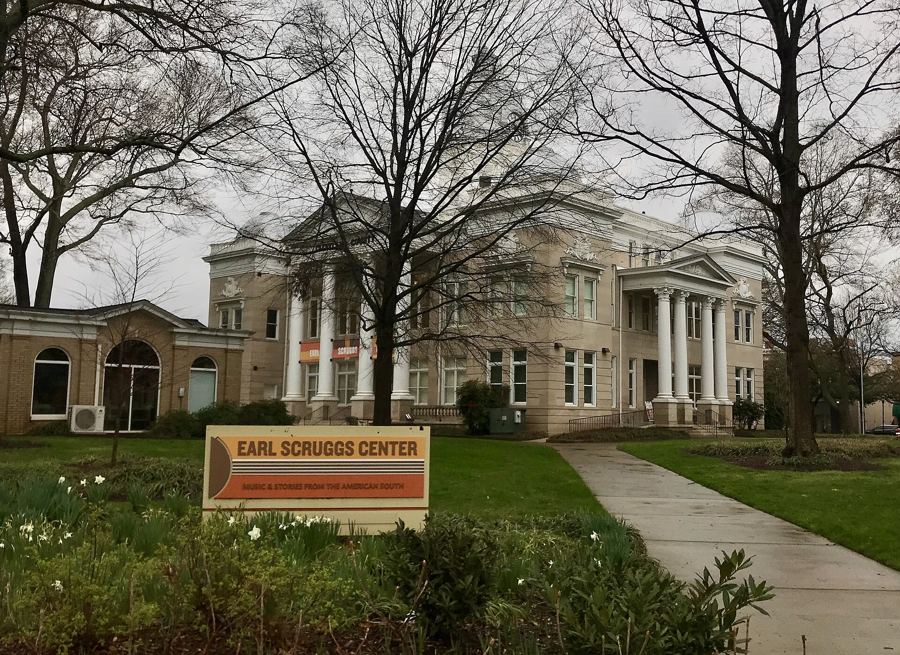
Three-finger banjo and the Cleveland County sound
A boy from a farm near Shelby changed how the banjo is played. In his county's old courthouse, a museum now explains the rolls, the records and the foothill string bands behind them.
- Five-string banjo in rolling three-finger patterns
- Spring and autumn weekends
Old theatres that still host Saturday shows
The movie houses of the foothill towns closed their projection booths long ago, but many still fill on Saturday with string bands, gospel quartets and the people who grew up with them.
- Bluegrass bands and gospel quartets
- Saturday evenings, autumn and winter