Track 13 THE COAST
- Sound
- Shuffle rhythm and blues with horns
- Loudest
- Summer evenings by the water
- Best months
- May to September
- Getting there
- Wilmington, then east to Wrightsville Beach
- Bring
- Smooth-soled shoes and a partner, or not
Beach music and the shag
A medium shuffle, a horn section, a vocal group singing about summer, and couples sliding their feet across a wooden floor. That is beach music, and the southern beaches still dance to it.
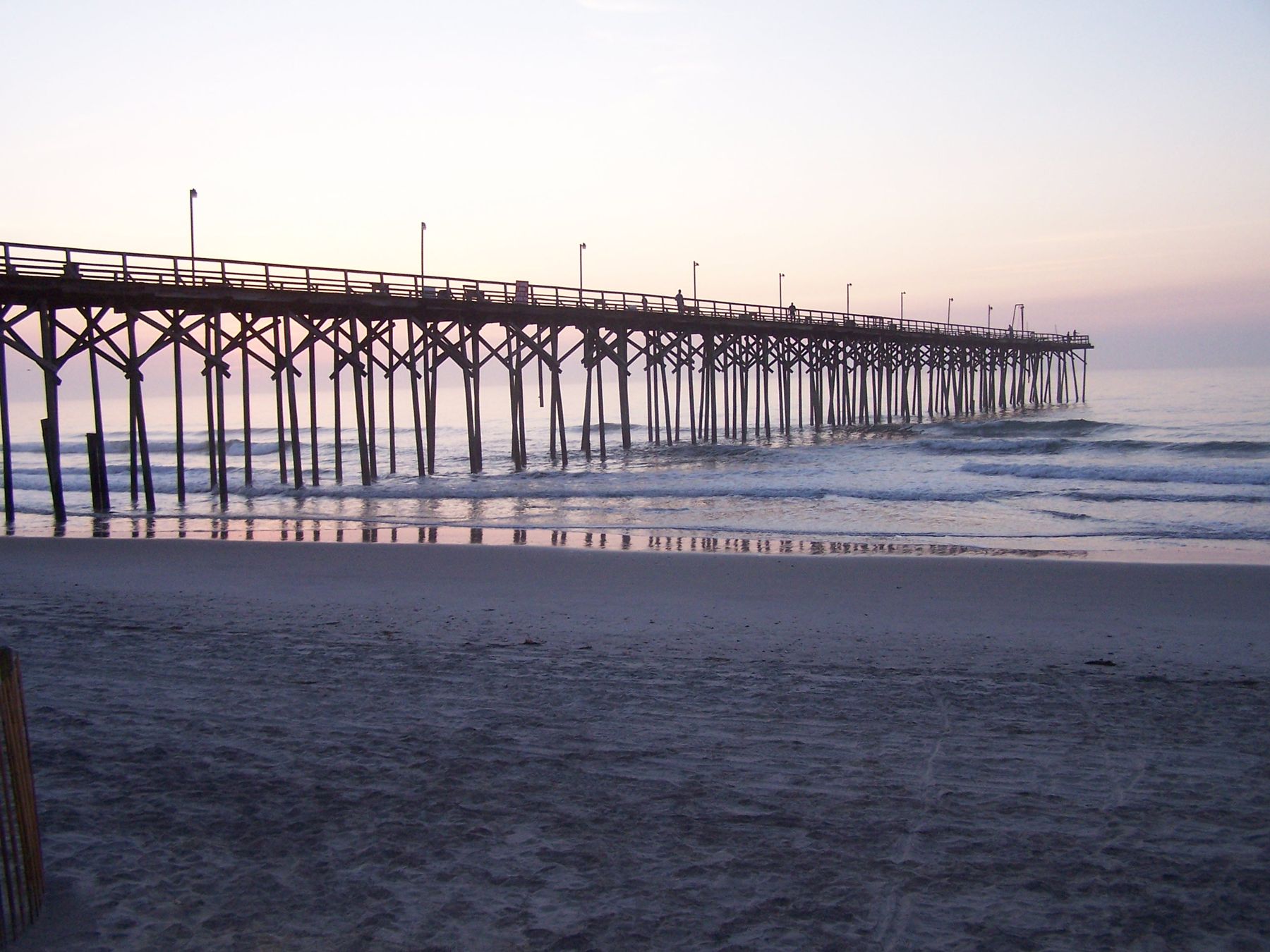
Shuffle tempo: what beach music is
Carolina beach music is not surf rock, and it has little to do with the Pacific. It began in the late 1940s and 1950s, when teenagers on the Carolina coast danced at pavilions and beach clubs to the jukebox, and the records they loved most were rhythm and blues: vocal groups, smooth singers, horn sections and a swinging, medium-tempo beat. Many of those records barely reached the national charts, but on the Carolina coast they became summer standards.
Later bands, many of them from the Carolinas, took that sound and made it their own, writing new songs about the beach, summer love and dancing. The style that came out of it has a steady, unhurried shuffle, usually somewhere between a slow walk and a light jog, with a bass line you can feel in your knees, horns stabbing on the offbeat and harmonies on the chorus. It is made to dance to, and it still fills outdoor stages along the coast every summer.
Listen to a beach band live and you notice how little it hurries. The drummer leans back on the beat, the bass walks in a loose swing, and the singer lets the lines drift a fraction behind the band. Lyrics come back again and again to the same few subjects: a summer romance, a night at the pavilion, a girl from the Carolinas, the drive down to the shore. Many bands mix the old rhythm and blues standards with newer songs in the same mould, plus a few 1960s soul hits that dancers have taken up over the years.
Six counts on the sand: the shag
The shag is the dance that goes with beach music. It is a partner dance in the swing family, smooth and close, with most of the action in the feet. The basic step takes six counts: a triple step for each partner, then a rock step back. Upper bodies stay fairly quiet, hands stay low and light, and the leader often shows off with fancy footwork while the follower glides alongside. Good dancers seem to slide rather than step.
North Carolina has named the shag its official popular dance, and South Carolina made it its state dance. The two states share the tradition, and many dancers move up and down the coast between them for weekends of dancing. If you want a taste of a very different kind of Carolina dancing, the mountains have their own circle dances and clogging, covered in the mountain square dance and clogging.
Where the pavilions stood
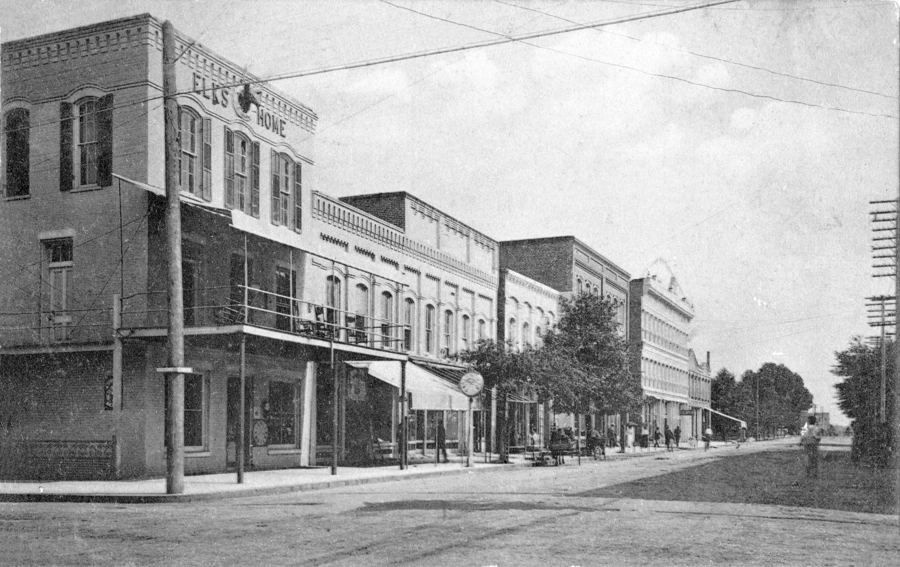
The great age of the beach pavilion ran from the early twentieth century into the 1960s. The most famous in North Carolina was Lumina, at Wrightsville Beach, opened in 1905 at the end of the trolley line from Wilmington. Covered in electric lights, it drew dancers from all over the region to big bands and later to newer music, before it declined after the Second World War and was torn down in 1973. Old photographs of its lit-up halls are still widely shared along the coast.
Track 07 · THE WESTAsheville's street corners and summer nightsFarther south, the beaches of South Carolina, especially the old Ocean Drive section of North Myrtle Beach, became the centre of the shag scene in the 1950s, and they still are. But the North Carolina beaches have kept their own following, and summer dancing is part of the life of Wilmington and the beach towns around it.
Summer nights on the southern beaches
Wilmington sits on the Cape Fear River, a few miles inland from the ocean. From late spring to early autumn, town parks and public stages in Wilmington and the nearby beach towns host free outdoor concerts on summer evenings, and beach music bands are a regular part of the line-up. These schedules change every season, so check before you go.
- Wrightsville Beach, the closest beach to Wilmington, has a town park that hosts summer concerts, and Lumina's old site is at the south end of the island.
- Carolina Beach, to the south on Pleasure Island, has a boardwalk with summer music and fireworks nights, and a lakeside park used for concerts.
- Kure Beach, next door, has an oceanfront park where outdoor shows draw families on summer evenings, and the Fort Fisher State Historic Site lies just beyond.
- Downtown Wilmington has Riverfront Park on the Cape Fear River and Greenfield Lake Amphitheater, both used for concerts in the warm months.
Concerts usually begin in the early evening, when the heat breaks and the sea breeze picks up. Bring a folding chair, arrive early for a spot near the front, and leave space in front of the stage for dancers.
First lesson
You do not need to know how to shag to enjoy a beach music night, but even a little learning makes it more fun. Across the region, shag clubs and dance associations hold lessons for beginners, often on a weeknight in winter and spring, so that new dancers are ready for summer. Some outdoor concerts include a short lesson before the band starts. Check local listings before you go.
Wear shoes with smooth soles that let you slide; rubber sneakers stick on concrete and wood. Start with the basic six-count step until you can do it without thinking, then add a turn. Dancers are generally friendly to beginners and happy to show you the step between songs.
Etiquette on the floor
- Dance in a small space; the shag does not travel across the floor.
- Ask politely, accept a no without fuss, and thank your partner after the song.
- Beginners stay near the edges, while stronger dancers take the middle.
Turn the record over
Beach music is a small, regional sound with a long memory. It is not hard to hear, and you can join it on your first night. If you are following the coast north, the island of Ocracoke offers a very different coastal music; see Ocracoke's island music. Inland, many of the rhythm and blues and funk players who shaped Carolina dance music came from the towns of the coastal plain, now linked on Eastern North Carolina's music trails. To fit a beach weekend into the rest of the music year, see the festival year, season by season.
Next on the setlist
Eastern North Carolina's music trails
Jazz pioneers, gospel quartets and the horn players who gave funk its punch came out of the small tobacco towns of the coastal plain. A signed trail ties their stories together.
- Jazz, gospel, funk and rhythm and blues
- Summer and autumn weekends
Following the Blue Ridge Music Trails
A heritage trail of weekly jams, dance halls, fiddlers' conventions and mountain festivals runs the length of western North Carolina. The Blue Ridge Parkway is its spine, and the music is mostly free.
- Fiddle, banjo, guitar and bass
- Summer weekends and Friday nights