Track 15 ON THE ROAD
- Sound
- Fiddle, banjo, guitar and bass
- Loudest
- Summer weekends and Friday nights
- Best months
- May to October
- Getting there
- The Blue Ridge Parkway, from Virginia to Cherokee
- Bring
- A trail listing, a folding chair and cash for donations
Following the Blue Ridge Music Trails
A heritage trail of weekly jams, dance halls, fiddlers' conventions and mountain festivals runs the length of western North Carolina. The Blue Ridge Parkway is its spine, and the music is mostly free.
Reading the setlist
Western North Carolina has more live traditional music per mile than almost anywhere in the country, but most of it is easy to miss. It happens in a fire hall on a Thursday, a town square on a Friday, a community centre on the second Saturday of the month. The Blue Ridge Music Trails exist to help you find it. Developed with the North Carolina Arts Council and partners across the mountains, the trail lists jams, dances, festivals, music halls, heritage sites and museums from the Virginia line to the Great Smokies, and gives each one a short write-up of what to expect.
The trail is not one road with a beginning and an end. It is better thought of as a setlist you pick from. You choose a region, look up what plays on which night, and plan a drive around the music. It works for a weekend in one county or a week along the whole range. Old-time fiddle and banjo, bluegrass, gospel, ballad singing, square dancing and clogging all have a place on it.
What counts as a stop
- Weekly jams in community centres, town halls, old theatres and store porches, where local players gather on a fixed night.
- Dances with a caller and a live band, from big circle dances to flatfoot and clogging.
- Festivals and conventions, from small one-day events to big summer weekends with contests and camping.
- Heritage sites and museums that tell the story of the music and its players.
The Parkway as the spine
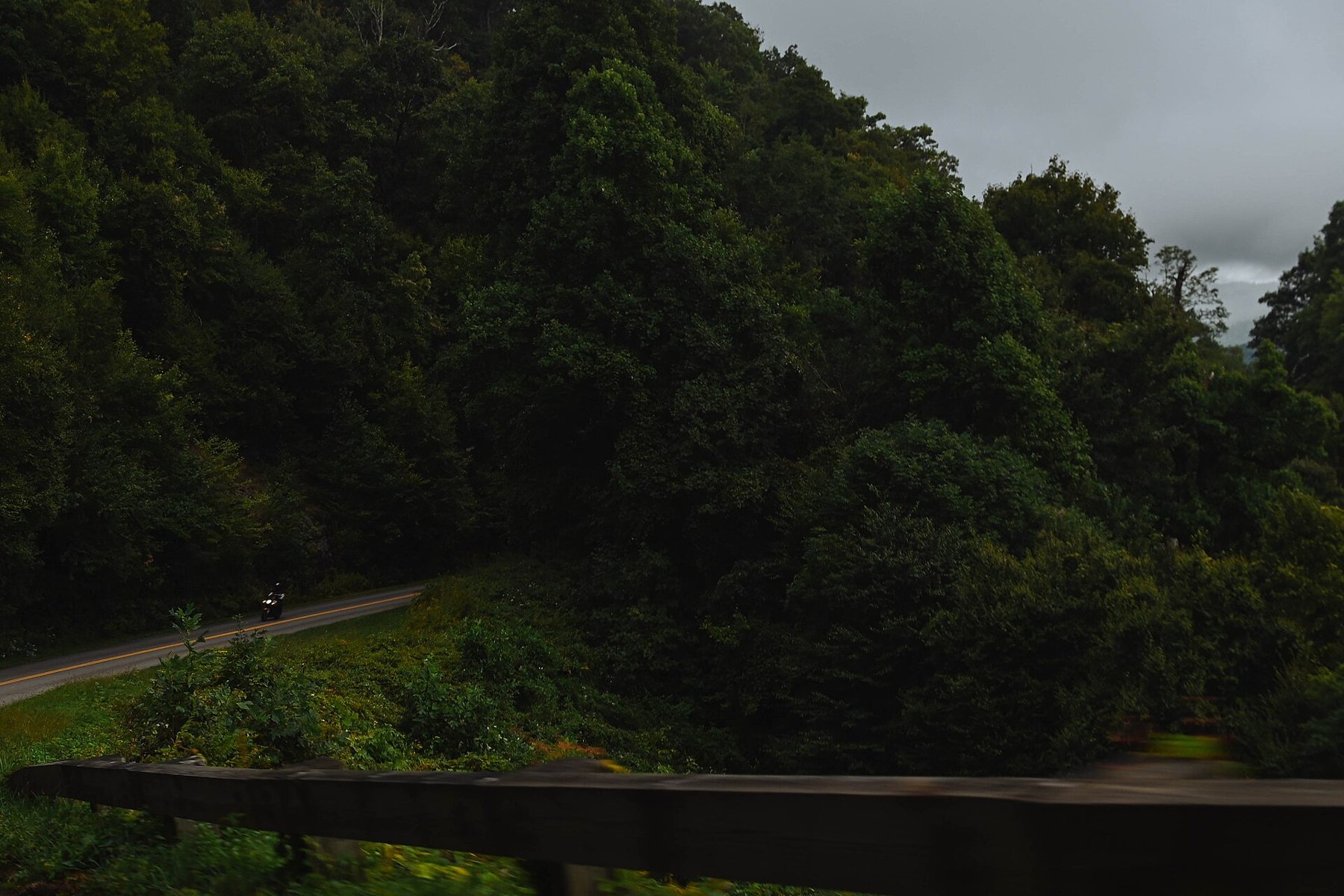
The Blue Ridge Parkway runs 469 miles along the crest of the mountains from Shenandoah National Park in Virginia to Great Smoky Mountains National Park at Cherokee, and more than half of it lies in North Carolina. It is a slow road, with a low speed limit, no trucks, no billboards and numbered mileposts that count up from north to south. Most trail stops are a short drive off it, down a side road into a valley town. Use the mileposts to plan: the Virginia line is near Milepost 217, Boone and Blowing Rock are in the 290s, and Asheville is in the 380s.
The Parkway has its own seasons. Some sections close in winter for ice and snow, and storm damage has closed long stretches for months at a time in recent years. Check road status before you go, and have a valley route ready as a backup.
The whole region is also part of the Blue Ridge National Heritage Area, which covers the mountain counties of western North Carolina and recognises their music, crafts, Cherokee culture and farming traditions together. You will see the same mountain towns turn up in craft guides and music guides alike, and it is worth pairing them: a craft centre in the afternoon, a jam in the same valley that night.
Music at the state line
Just north of the North Carolina line, at Milepost 213 near Galax, Virginia, the Blue Ridge Music Center is the obvious first stop. Run by the National Park Service with partners, it has an exhibit on the roots of mountain music, an outdoor amphitheatre for summer concerts, and, through the warmer months, local musicians playing in the open breezeway around midday. Sit on a bench, listen to a set, and you have a good idea of what the rest of the trail sounds like. Check the season's schedule before you go.
North: the state line to the High Country
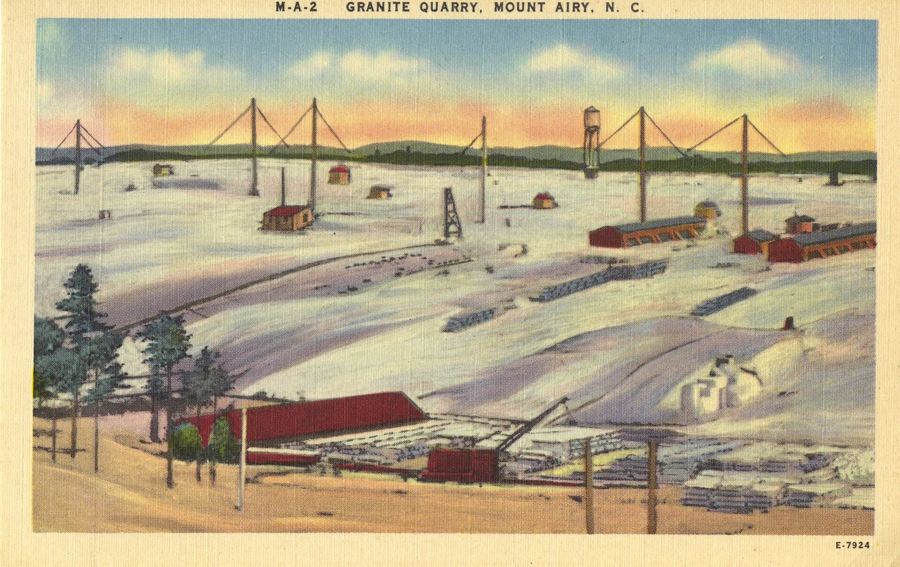
The northern stretch of the North Carolina mountains is old-time country. In Surry County, Mount Airy is home to a weekly live radio broadcast of old-time and bluegrass and to a fiddlers' convention every summer; read old-time fiddle tunes around Mount Airy. Up on the Parkway, Alleghany and Ashe counties hold community jams in their small county seats, Sparta and West Jefferson among them, on set nights of the week; see a Friday jam in a mountain county seat.
Track 02 · THE RIDGESummer fiddlers' conventions, explainedFarther south, Boone and Blowing Rock make up the High Country, where bluegrass dominates. Appalachian State University brings students and concerts, the Doc Watson statue stands on King Street in Boone, and a big spring festival in nearby Wilkesboro draws crowds from across the country; read bluegrass in the High Country. This stretch has the most jams per week and the busiest summer festival calendar on the trail.
You choose a region, look up what plays on which night, and plan a drive around the music.
South: Asheville and the far west
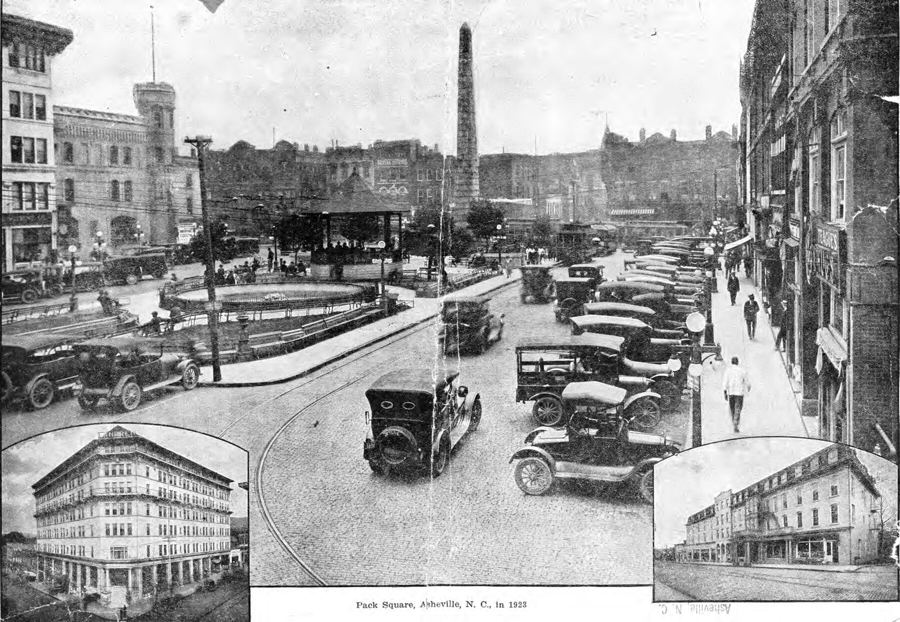
South of the High Country, the Parkway climbs past Mount Mitchell, the highest peak in the eastern United States, and drops toward Asheville. The city is the busiest music town in the mountains, with street music downtown, outdoor summer dances and the Mountain Dance and Folk Festival, held every summer since 1928; see Asheville's street corners and summer nights.
West and north of Asheville, Madison, Haywood, Jackson and Swain counties have deep traditions of ballad singing, square dancing and clogging, with community halls that still hold dances. The mountain square dance and clogging explains how to join in. Near the southern end of the Parkway, the Mountain Heritage Center at Western Carolina University in Cullowhee tells the story of mountain life and music, and the road ends at Cherokee, gateway to the Great Smokies.
Three nights on the trail
If you have a long weekend, a simple plan works well. Spend the first night in the north, at a Friday jam in a county seat near the Virginia line. Drive the Parkway south on Saturday, with a midday stop at an overlook or a music centre, and end the day in the High Country, where a bluegrass show or a campground jam is rarely far away. On Sunday, continue toward Asheville for a summer evening dance or street music downtown. Each leg is a few hours of slow mountain road, which leaves time to stop and listen whenever you hear a fiddle through an open door.
Jam manners on the road
The trail sends you into places where the music belongs to the community, not to an audience. A few habits make you welcome.
- Arrive on time and stay a while. Jams build slowly, and the best tunes often come late.
- Sit outside the circle. The players face each other, not the room. Leave them their space.
- Ask before you play. If you bring an instrument, wait to be invited, then follow the tunes rather than lead them.
- Drop something in the jar. Many jams and halls run on donations.
- Check before you go. Nights and places change. A jam that ran for twenty years can move across town in a month.
Encore: when to ride
The trail plays all year, but late spring through autumn is the high season. Summer brings outdoor dances, festivals and fiddlers' conventions almost every weekend; autumn adds clear skies and harvest festivals; winter moves the jams indoors and makes Parkway driving uncertain. Our season-by-season festival guide has the month-by-month detail. Pick one region, find a jam on a weeknight, and let the music set your route for the rest of the week.
Next on the setlist
The festival year, season by season
North Carolina's public music follows the weather and the harvest. Here is how the year runs, from spring bluegrass weekends to winter jams in heated halls, and why you should always check the dates.
- Bluegrass, old-time, blues, brass and beach
- June weekends and October Saturdays
Old-time fiddle tunes around Mount Airy
In the granite town on the Virginia line, the fiddle still leads, the clawhammer banjo still drives, and the tunes are still played for people who want to dance.
- Fiddle and clawhammer banjo
- Early June and Saturday mornings