Track 02 THE RIDGE
- Sound
- Old-time and bluegrass string bands
- Loudest
- Late May and early June
- Best months
- Late May through August
- Getting there
- Drive; most grounds sit outside town
- Bring
- Camp chair, rain gear, a torch and water
Summer fiddlers' conventions, explained
A convention is part contest, part campground and part all-night jam. Here is how the weekend works, where the big ones gather and how to fit in when you arrive.
Nobody goes to a fiddlers' convention for the stage alone. There is a stage, with judges, a running order and ribbons at the end, but if you sit in front of it all weekend you will miss most of what happens. The real convention is behind you, in the fields and parking lots where hundreds of musicians have pitched camp, strung up lights and started playing. Some of those circles go on until the birds start.
North Carolina and the Virginia line just to the north hold some of the oldest of these gatherings in the country. They run through late spring and summer, and for many old-time and bluegrass musicians they are the main social calendar of the year.
The contest on the stage
The stage contest is organised by category. The big ones are old-time band and bluegrass band, and then individual instruments: old-time fiddle, bluegrass fiddle, clawhammer banjo, three-finger banjo, guitar, mandolin, dobro and bass. Many conventions add folk song, a youth division and a dance contest, usually flatfooting or clogging on a wooden board in front of the stage.
Each act plays a single tune or song, often with a strict time limit, and moves off. It is a brisk, workmanlike business. Judges listen for timing, tone and how well a band plays together rather than flash, and in the old-time band categories the judges want dance music: steady, driving and in the local style. Watching an hour of it is a fast way to hear the difference between an old-time band and a bluegrass band, and between the fiddle styles of different counties.
Running orders and categories change from year to year, and so do the rules about who may enter. If you plan to compete, read the current rules well ahead of time.
The contest also tells you something about the music's history. These events began as local gatherings where fiddlers met to play against one another, and over the decades they grew to take in string bands, banjo players, singers and dancers. The ribbons matter less than the reputation, and a win in a well-known category can follow a player for years. Many of the region's best musicians first stood on a convention stage as children, and you will often see three generations of one family entered on the same afternoon.
Parking-lot jams after dark
Once the stage goes quiet in the evening, the grounds come alive. Groups of musicians gather under awnings, by camper doors and around picnic tables, and play the tunes they have been thinking about all year. Some circles are old friends who meet only at conventions. Others form on the spot when someone hears a fiddle and wanders over.
For a listener, this is the best part of the weekend. Walk slowly through the camping area after dark and you pass one circle after another, each with its own sound: a fast bluegrass group trading breaks, then an old-time band locked into a single tune for ten minutes, then a few singers working out a harmony. Stop where you like. Nobody expects you to applaud, and most players are glad of a quiet audience.
Track 05 · HIGH COUNTRYThree-finger banjo and the Cleveland County soundThe big weekends, in general terms
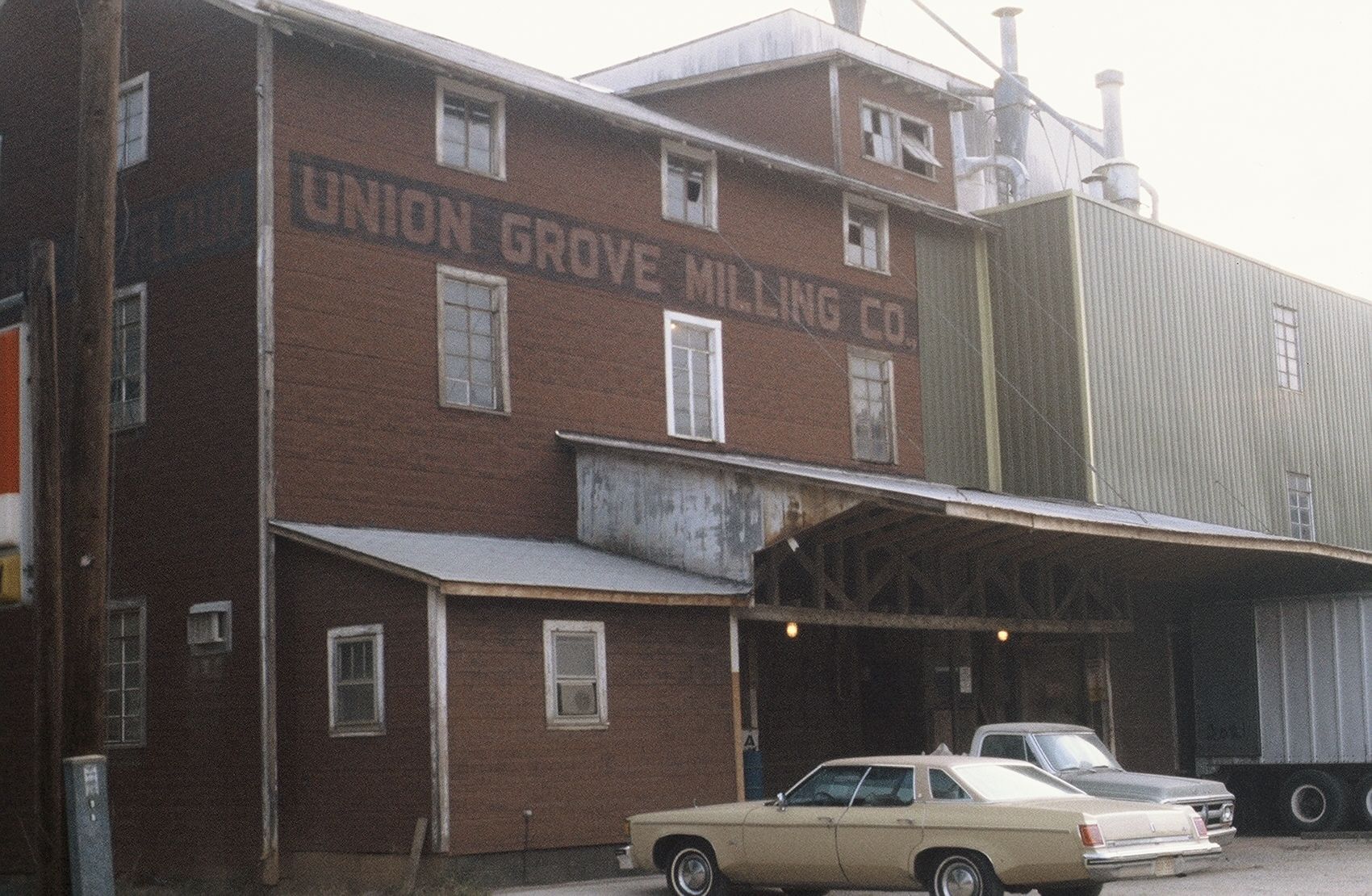
Dates move every year, so check before you go, but the shape of the season holds steady. At Union Grove in Iredell County, a convention tradition that goes back to the 1920s now gathers on a family campground called Fiddler's Grove, usually over a late-May weekend. In early June, Mount Airy's convention fills Veterans Memorial Park on the edge of town, with old-time musicians from all over the country camping alongside local bands. Our guide to old-time fiddle tunes around Mount Airy explains the local sound.
Through the rest of the summer smaller conventions run in county fairgrounds, school grounds and parks across the mountains and foothills, and in August many North Carolina musicians cross into Virginia for the long-running convention at Galax. The festival year guide sets these weekends in context with the spring bluegrass festivals and autumn gatherings.
Camping, weather and the practical side of the field
Most conventions open their camping areas several days before the contest, and serious campers arrive early to claim a spot near friends. Expect a field of tents, trailers and pop-up shelters, with power and water limited or absent. If you only want to visit for an evening, you can usually park for the day and walk in, but check the rules for the event you choose.
Summer weather in the foothills means heat in the afternoon and thunderstorms that blow in fast. Bring rain gear, a hat, plenty of water and a folding chair. After dark you will want a small torch to find your way between camps without shining it in anyone's face. Food stalls are common, though the choice can be thin late at night.
Conventions are generally family events. Children run between camps, older musicians hold court in lawn chairs, and many people bring dogs. Quiet hours vary, and some circles keep going regardless, so if you plan to sleep on site, pitch your tent away from the busiest rows.
How the circle works
A jam circle has its own etiquette, and following it will make you welcome. If you are listening, stand at the edge and give the players room to move their bows. Keep conversation for between tunes. Ask before you take photographs or record, and do not shine lights into the circle.
If you play, the rules are just as simple. Ask before you join, tune before you sit down, and play softly until you know the tune. In an old-time circle there are no solos; everyone plays the melody or the rhythm together. In a bluegrass jam people take turns leading, and someone will nod to you if it is your turn. Do not start a new tune in someone else's circle without being invited.
The next song on the drive
If the convention whets your appetite, the music continues week by week through the rest of the year in the mountain towns. Our story on a Friday jam in a mountain county seat describes the smaller, regular gatherings where you can hear the same players without the crowds, and the High Country bluegrass guide follows the faster, three-finger sound up into Boone and Wilkes.
Next on the setlist
A Friday jam in a mountain county seat
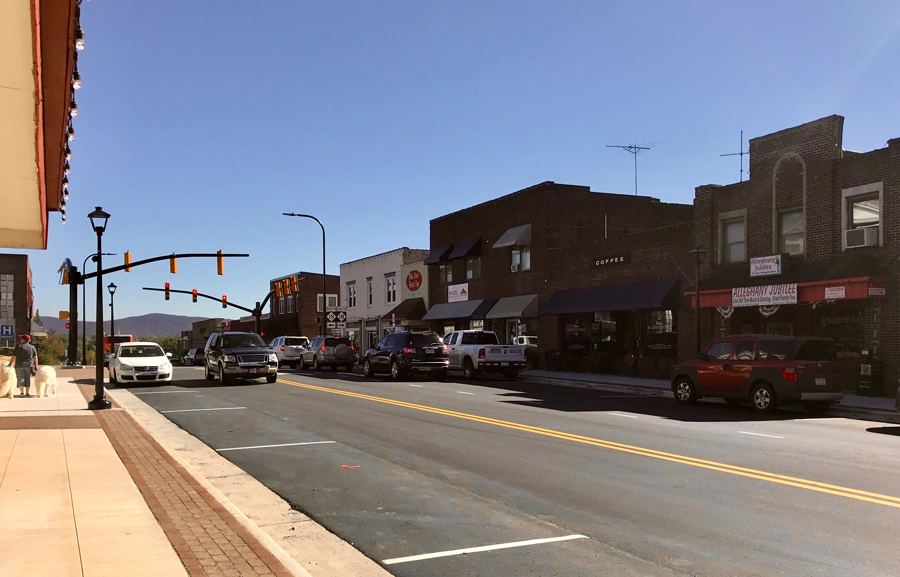
Up on the plateau along the Virginia line, the week ends with fiddles, guitars and a few dancers in a public room on the main street. Anyone can listen, and many join in.
- Fiddle, banjo, guitar and bass
- Summer Friday nights
Bluegrass in the High Country
Between the college town of Boone and the river valley of Wilkes, bluegrass runs fast and bright: three-finger banjo, high harmony, and campground jams that last as long as the strings hold.
- Three-finger banjo, mandolin and high harmony
- Late April and summer weekends