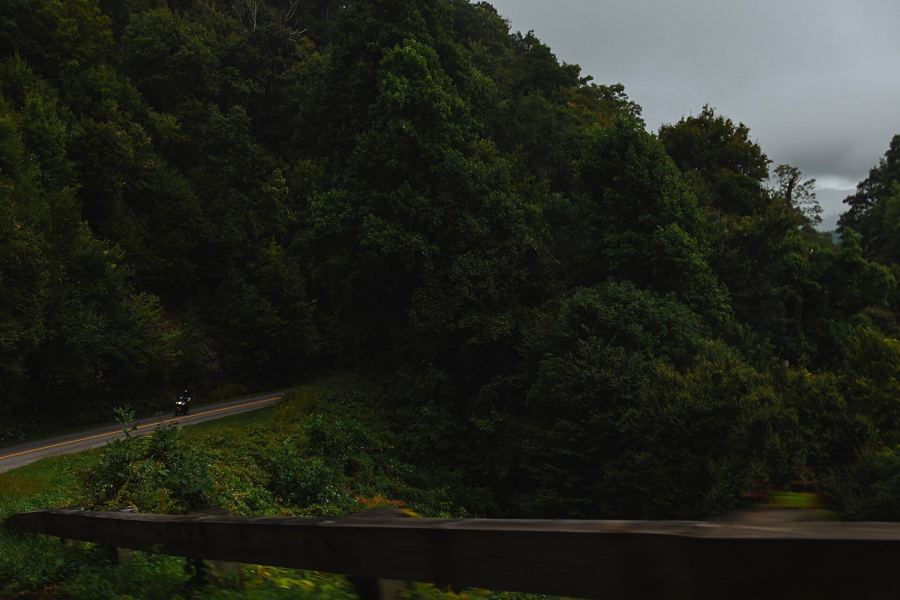
The banjo
Two banjo styles define western North Carolina. Clawhammer, played with the back of the fingernail striking down, drives old-time dance music. Three-finger picking, rolled with thumb and two fingers, gave bluegrass its speed.
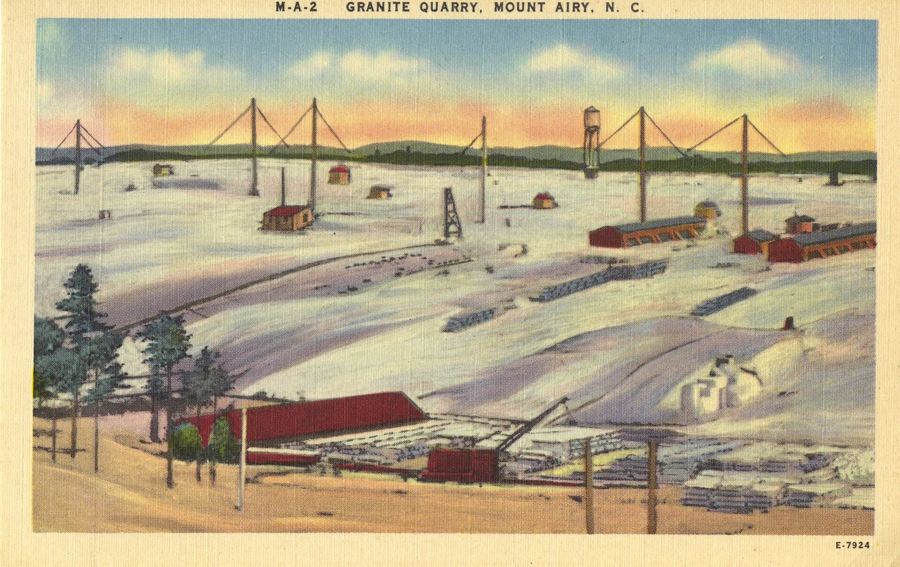
Old-time fiddle tunes around Mount Airy
In the granite town on the Virginia line, the fiddle still leads, the clawhammer banjo still drives, and the tunes are still played for people who want to dance.
- Fiddle and clawhammer banjo
- Early June and Saturday mornings
Bluegrass in the High Country
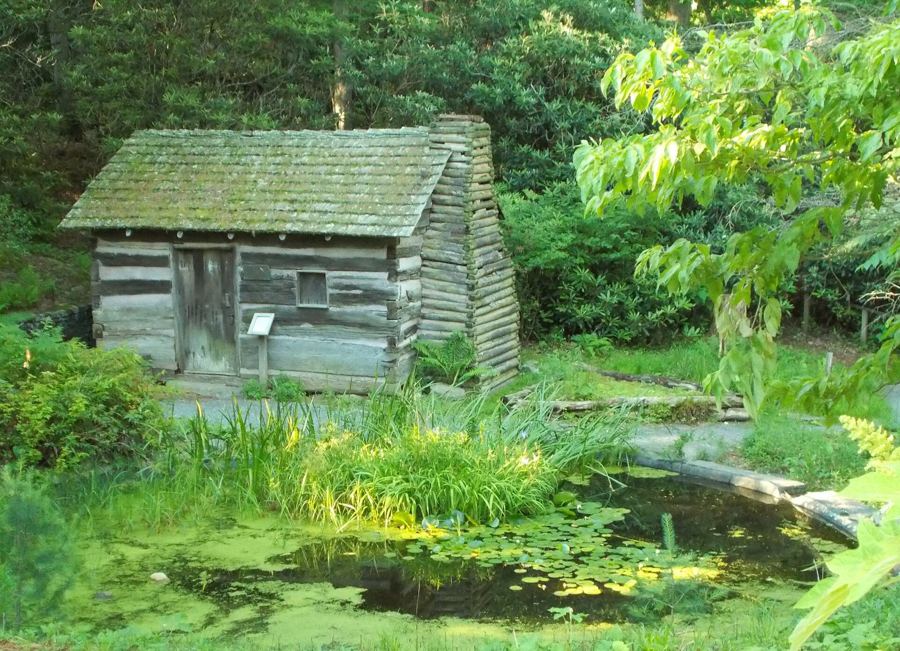
Between the college town of Boone and the river valley of Wilkes, bluegrass runs fast and bright: three-finger banjo, high harmony, and campground jams that last as long as the strings hold.
- Three-finger banjo, mandolin and high harmony
- Late April and summer weekends
Three-finger banjo and the Cleveland County sound
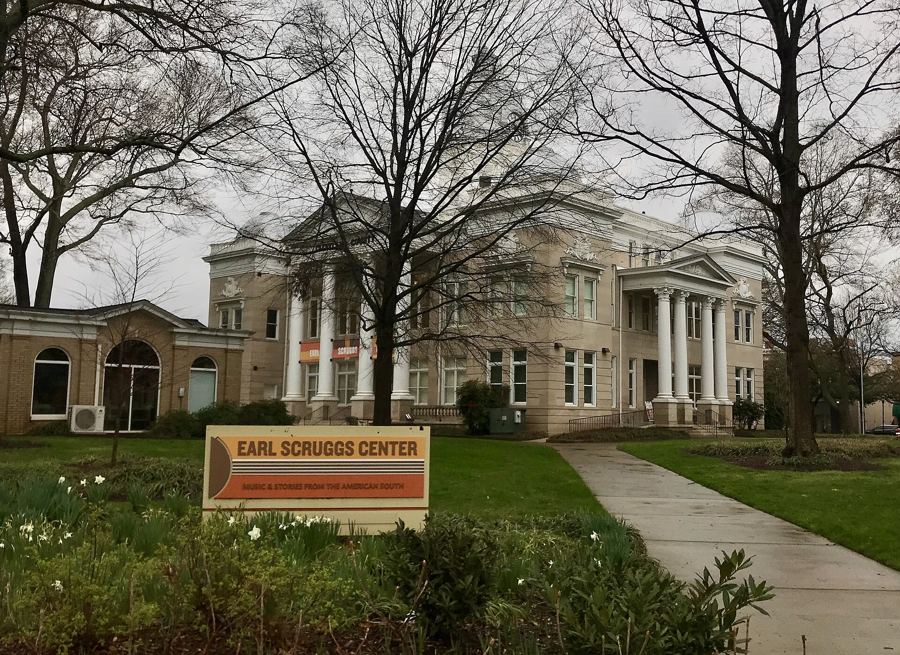
A boy from a farm near Shelby changed how the banjo is played. In his county's old courthouse, a museum now explains the rolls, the records and the foothill string bands behind them.
- Five-string banjo in rolling three-finger patterns
- Spring and autumn weekends
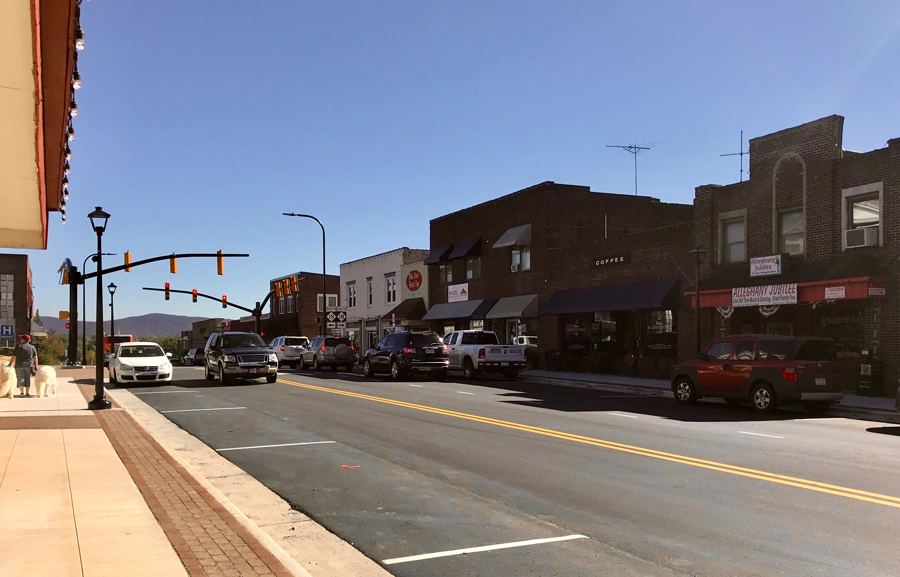
A Friday jam in a mountain county seat
Up on the plateau along the Virginia line, the week ends with fiddles, guitars and a few dancers in a public room on the main street. Anyone can listen, and many join in.
- Fiddle, banjo, guitar and bass
- Summer Friday nights
Following the Blue Ridge Music Trails
A heritage trail of weekly jams, dance halls, fiddlers' conventions and mountain festivals runs the length of western North Carolina. The Blue Ridge Parkway is its spine, and the music is mostly free.
- Fiddle, banjo, guitar and bass
- Summer weekends and Friday nights