Track 10 PIEDMONT
- Sound
- Fiddle, banjo and two guitars
- Loudest
- Early summer and autumn weekends
- Best months
- April to June, September, October
- Getting there
- Piedmont towns along Interstate 85
- Bring
- A map of the old mill districts
Mill-village music of the Piedmont
Fiddles, banjos and guitars came down from the hills with the families who took mill jobs. On the Piedmont's mill hills they turned into a faster, tighter sound made for radio.
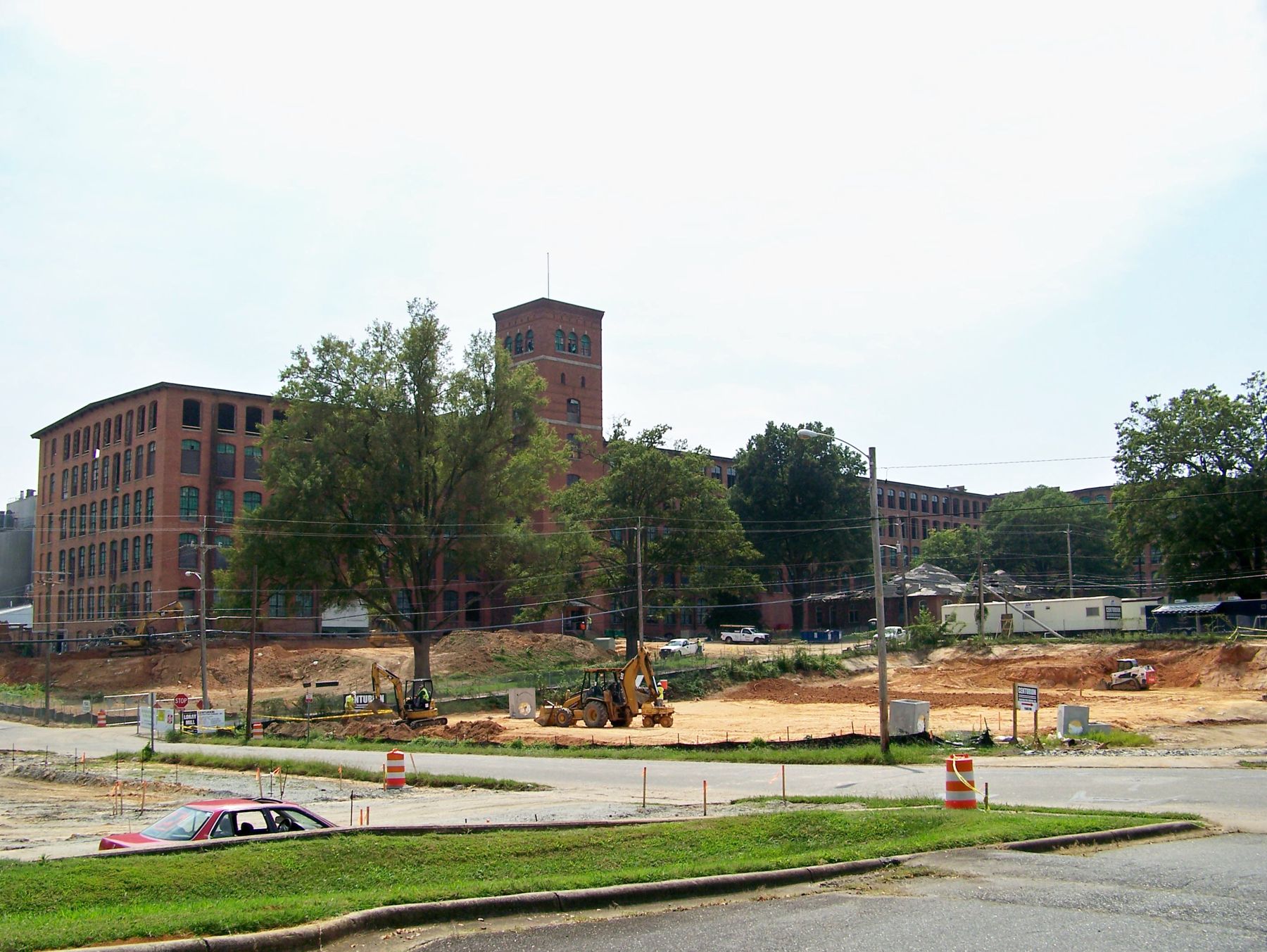
Shift change: the mill-village sound
From the 1880s to the middle of the twentieth century, cotton mills spread along the rivers and rail lines of the North Carolina Piedmont. Families came down from the mountains and in from worn-out farms to take jobs at the spindles and looms, and the companies built whole villages around the mills: rows of small frame houses, a store, a church, a school and sometimes a ball field or a hall. People brought their fiddles and banjos with them.
What grew up on these mill hills was not quite mountain old-time. The playing got quicker and cleaner. Guitars joined the fiddle and banjo, often two of them, one running bass lines on the low strings. Songs took in the new life: rent, the boss, the whistle, the train out of town, a wage that never stretched. Some of the best string bands of the 1920s and 1930s were made up of mill hands who played after their shift and on Saturday nights.
A few names
Charlie Poole, who worked in the mills around Spray in Rockingham County, led the North Carolina Ramblers on a string of records in the late 1920s, singing over a smooth banjo roll that many players still copy. The Mainer brothers, who came to the Concord mills from the mountains, built a band that became a radio fixture in the 1930s. In Gastonia, the singer Ella May Wiggins wrote ballads about mill work and was killed during the bitter Loray Mill strike of 1929; her songs are still sung.
From mill hill to radio studio
Radio made these bands famous. In the 1930s and 1940s, stations in Charlotte and other Piedmont cities put string bands on the air in early-morning slots, when workers were getting ready for the day shift, and in Saturday-night barn dance shows. A band with a regular radio spot could book schoolhouses and halls all over the region, announcing the dates on air. The format pushed the music toward tight arrangements, clear vocals and a strong opening tune, and it is one of the roots of the bluegrass that followed.
The fast, three-finger banjo that shaped bluegrass came out of the same foothill and mill-town world; you can follow that line in three-finger banjo and the Cleveland County sound. And the mountain fiddle tunes the families carried down still thrive in their home ground, around old-time Mount Airy.
Freight train in Carrboro
Carrboro, next to Chapel Hill, began as a mill village and took its name from a mill owner. Elizabeth Cotten grew up here in the years before the First World War. As a girl she taught herself guitar, playing it left-handed and upside down, with the bass strings under her fingers and the melody under her thumb. One of the first songs she wrote, about the trains she heard on the tracks near her home, was Freight Train.
Track 11 · PIEDMONTMoravian brass in Old SalemShe stopped playing for many years, and her music only reached a wide audience in the late 1950s, after she had moved north. She recorded and toured into old age and died in 1987. Her picking, gentle and exact, is a cousin of the Piedmont blues of Durham's tobacco warehouses a few miles east, and guitarists still learn it as a basic style called by her name.
The Carrboro of her childhood has changed. The old mill buildings are now offices and shops, the railroad still runs through town, and the town has a strong local music scene, with free music in public spaces and a long-running town-wide music day in early autumn. Check before you go, since dates and formats change.
What the mill hills look like now
Many mills closed in the late twentieth century, and many villages were sold off house by house. But you can still read the pattern on the ground: a big brick mill by the river or rail line, a grid of nearly identical small houses on the hill above, and a church at the corner.
- Gastonia. The Loray Mill, once among the largest mills in the South under one roof, still stands on the west side of town and has been restored for new uses. The mill village streets around it keep their small houses.
- Burlington and Alamance County. Alamance was a mill county from early on. At Glencoe, north of Burlington on the Haw River, a mill village survives with its houses and mill complex. The Paramount Theatre in downtown Burlington is a restored public theatre that hosts concerts.
- Concord. The town's mill districts and the textile history of Cabarrus County are well worth a slow drive, with brick mills and long rows of mill houses.
- Eden. Spray, now part of Eden, holds Charlie Poole's memory, with music in his name in some summers.
Where the music plays today
The mill-village bands no longer have their early-morning radio shows, but their tunes are everywhere in the state's old-time and bluegrass world. You hear them at fiddlers' conventions, at community jams in Piedmont towns, at folk festivals and in restored downtown theatres that host Saturday shows. Old theatres like these are the subject of old theatres that still host Saturday shows.
Spring and autumn are the busiest seasons, with festivals and outdoor music in town parks; high summer brings evening concerts, and winter moves the jams indoors to community buildings. Nearly every Piedmont county has a jam on some weeknight. Dates shift, so check before you go.
Last verse
The best way to hear mill-village music is to find a jam where people still play Charlie Poole's songs. When they do, listen for the banjo's even roll and the bass runs on the guitar. That is the sound of a shift ending, a guitar coming off the nail on the wall, and a front porch filling up on a mill hill after supper.
Next on the setlist
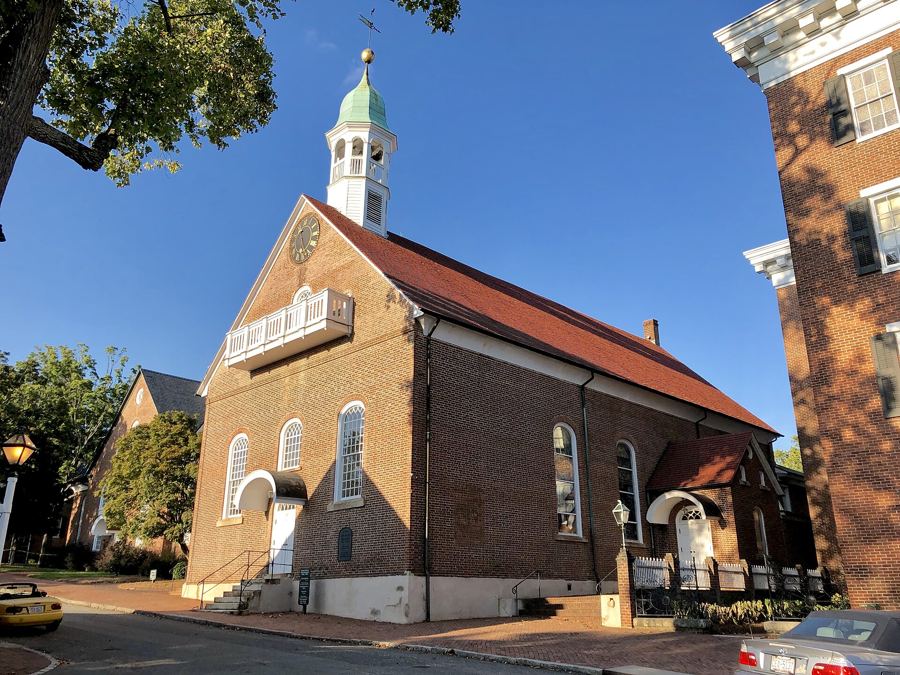
Moravian brass in Old Salem
Before dawn on Easter morning, brass bands spread through Winston-Salem playing slow chorales to wake the town. It is the loudest moment in a musical tradition that began here in the 1700s.
- Brass choir playing four-part chorales
- Easter morning before sunrise
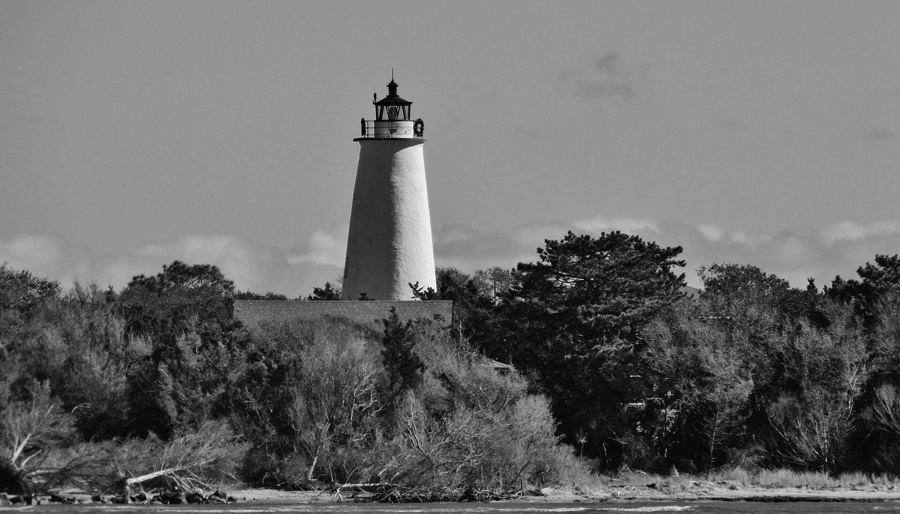
Ocracoke's island music
At the far end of a ferry ride, a village of a few hundred families keeps its own songs, its own way of talking and a habit of playing music on the porch after dark.
- Island guitars, fiddle and old ballads
- Early summer evenings