Track 14 THE COAST
- Sound
- Jazz, gospel, funk and rhythm and blues
- Loudest
- Summer and autumn weekends
- Best months
- April, May, September, October
- Getting there
- US 70 and Interstate 95, east of Raleigh
- Bring
- The trail map and a full tank
Eastern North Carolina's music trails
Jazz pioneers, gospel quartets and the horn players who gave funk its punch came out of the small tobacco towns of the coastal plain. A signed trail ties their stories together.
Liner notes: the coastal plain
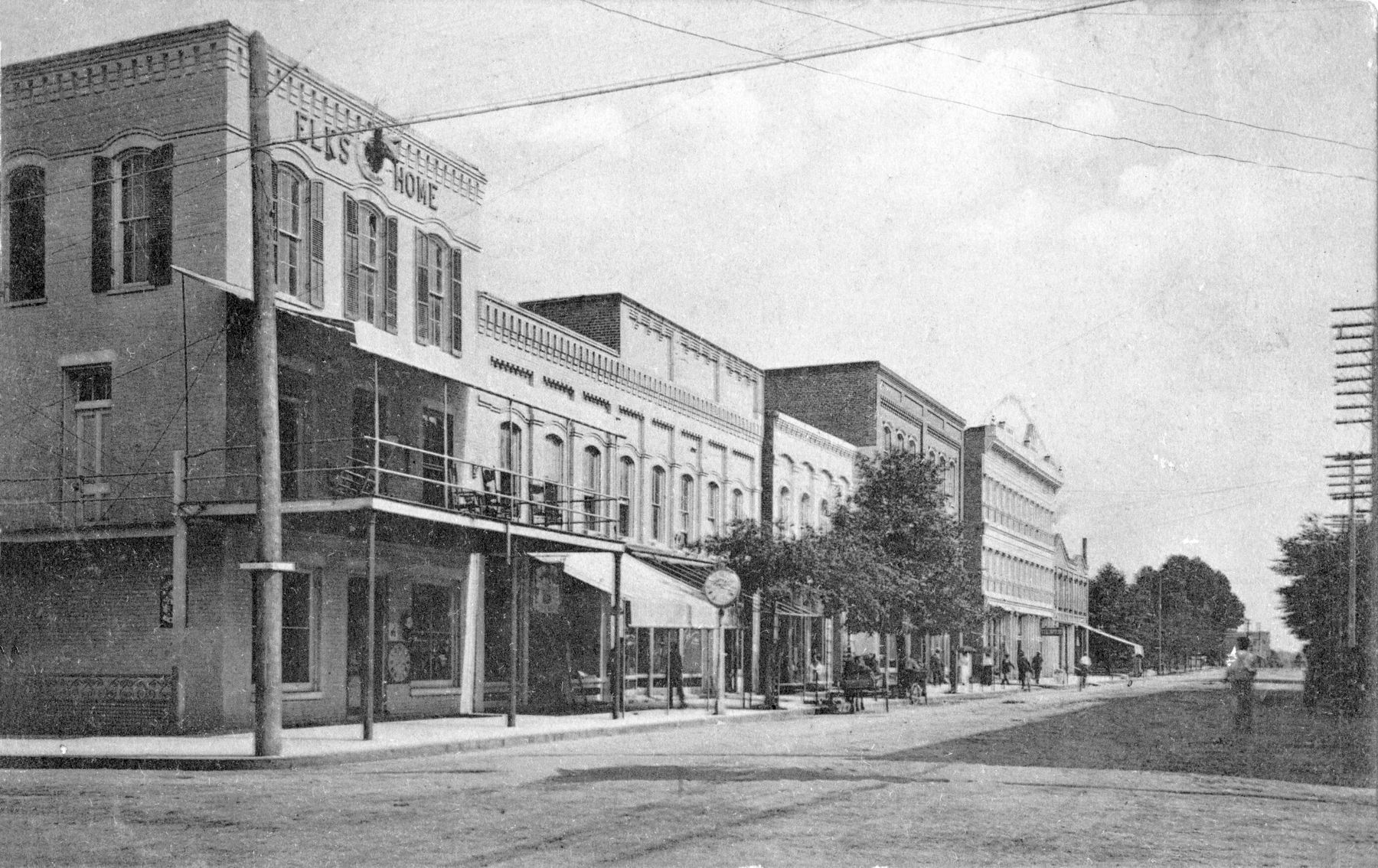
East of Raleigh the land flattens out into the coastal plain, a country of wide fields, pine woods, slow rivers and small towns built on tobacco and cotton. Its musical history is one of the richest in the state and one of the least known to visitors. African American musicians from these towns shaped jazz, gospel, rhythm and blues and funk, and many of them carried the sound far beyond North Carolina.
The African American Music Trails of Eastern North Carolina gather that history into a route you can drive. Created with the North Carolina Arts Council and communities across the region, the trail covers a group of counties around Kinston, Wilson, Greenville, Rocky Mount and Goldsboro. It points you to the towns, churches, schools, dance halls, markers and murals where the music lived, and to festivals and events where it still does. Think of it as a set of liner notes for a whole region, with the record still playing.
What you hear
The sound of the trail is wide. There is gospel, from quartet singing in close harmony to full church choirs. There is jazz, from big-band swing to the modern players who came after the war. There is rhythm and blues, the dance music of the 1950s and 1960s, and there is funk, with its tight drums and sharp horn lines. What ties them together is a strong beat, call and response, and a sense that music is for a community, not a stage.
Track one: Kinston's horns and drums
Kinston, on the Neuse River, is the trail's best-known stop. In the 1950s and 1960s, the city's schools and churches turned out a remarkable run of young horn players, drummers and bassists, many of whom went on to play in some of the most famous touring rhythm and blues and funk bands in the country. The tight, punchy horn sections and crisp drumming of that era owe a great deal to musicians trained in Kinston.
Kinston takes pride in this, and you will find the city's musical history marked in its downtown with public art and markers. Walking the centre, past old brick storefronts and the river, gives you a sense of the small, close community these players came from. Community concerts and music events bring the sound back in the warm months, especially in summer and autumn; check before you go.
Track two: Wilson and the warehouse dances
Wilson was one of the great tobacco market towns of the South, and its long brick auction warehouses filled every autumn with farmers and buyers. Out of season, many of those big, open buildings in eastern towns were used for dances. In the era of segregation, touring Black bands, from big-band orchestras to rhythm and blues revues, played warehouse dances across the coastal plain, and crowds came from miles around. Local musicians learned by watching and sometimes by sitting in.
Wilson today is also known for the Vollis Simpson Whirligig Park, a public square in the historic downtown filled with giant, spinning wind sculptures made from salvaged metal by a local artist. It is not a music site, but on a breezy day it has its own clattering rhythm, and it is a good place to start a walk through the old warehouse district.
Track 12 · THE COASTOcracoke's island musicTrack three: Rocky Mount and Greenville
Rocky Mount, on the Tar River, is the birthplace of Thelonious Monk, the jazz pianist and composer, who was born there in 1917 and moved to New York with his family as a small boy. The city remembers him, and his angular, surprising music is a reminder that the coastal plain fed straight into the centre of American jazz. Rocky Mount's older neighbourhoods, its rail yards and its restored mill and downtown buildings make a good afternoon's walk.
Greenville, home of East Carolina University, is the region's biggest town and its busiest music centre today. The university's school of music runs a full calendar of jazz, classical and choral concerts, many of them open to the public, and the city hosts outdoor events in the warm months. It is a natural base for exploring the trail, with the other towns within an easy drive.
Goldsboro and the side roads
Goldsboro, on the Neuse upstream from Kinston, is another trail town, with a downtown of brick commercial blocks and a long history of school bands and church choirs. Between the bigger towns, the trail also points to crossroads communities where a single church, school or former dance hall holds a large share of local memory. These stops are easy to miss. Slow down, read the marker, and look at the building behind it: a plain frame church or a brick school can be the place where a famous drummer first kept time.
School music matters here more than almost anywhere. Many of the region's best-known players came up through high school marching and concert bands, and in autumn the Friday-night halftime shows in trail towns still carry some of that drive. Hearing a good school band play is, in its way, part of the trail.
Think of it as a set of liner notes for a whole region, with the record still playing.
Reading the markers
The trail is meant to be driven slowly, a few towns at a time. It works best if you pick one or two stops a day, walk each town centre, and leave room for an evening concert or a Sunday service.
- Start with the map. The trail's guide lists towns, sites and regular events county by county. Use it to plan a loop rather than a straight line.
- Pair a site with an event. A marker or mural means more when you can hear the music the same weekend. Look for festivals, school band concerts, church anniversaries and community music days.
- Talk to the town. Visitor centres and local museums in the trail towns often know about upcoming concerts that never make it onto wider listings.
- Check before you go. Events change from year to year, and some sites are only open on certain days.
Spring and autumn are the best seasons, with mild weather, festivals and church homecomings. Summer is hot and humid but brings outdoor concerts. US 70 and Interstate 95 link the main towns, and the back roads between them pass through some of the state's best farm country.
Encore: Sunday morning
For many people in these towns, the most important music of the week is still in church. Gospel choirs and quartets sing on Sunday mornings, and churches hold anniversary services and gospel programmes through the year, some of them open to visitors. If you go, go as a guest at a service, not as an audience at a show: dress neatly, arrive on time, and stay to the end.
The coastal plain sits between two other North Carolina music traditions in this guide. To the west, the Piedmont blues of Durham's tobacco warehouses grew from the same tobacco economy. To the south and east, the rhythm and blues records that eastern bands played became the soundtrack of beach music and the shag. In the mountains, a sister heritage trail does for old-time and bluegrass what this one does for the east; see following the Blue Ridge Music Trails. And for the whole year at a glance, read the festival year, season by season.
Next on the setlist
Following the Blue Ridge Music Trails
A heritage trail of weekly jams, dance halls, fiddlers' conventions and mountain festivals runs the length of western North Carolina. The Blue Ridge Parkway is its spine, and the music is mostly free.
- Fiddle, banjo, guitar and bass
- Summer weekends and Friday nights
The festival year, season by season
North Carolina's public music follows the weather and the harvest. Here is how the year runs, from spring bluegrass weekends to winter jams in heated halls, and why you should always check the dates.
- Bluegrass, old-time, blues, brass and beach
- June weekends and October Saturdays